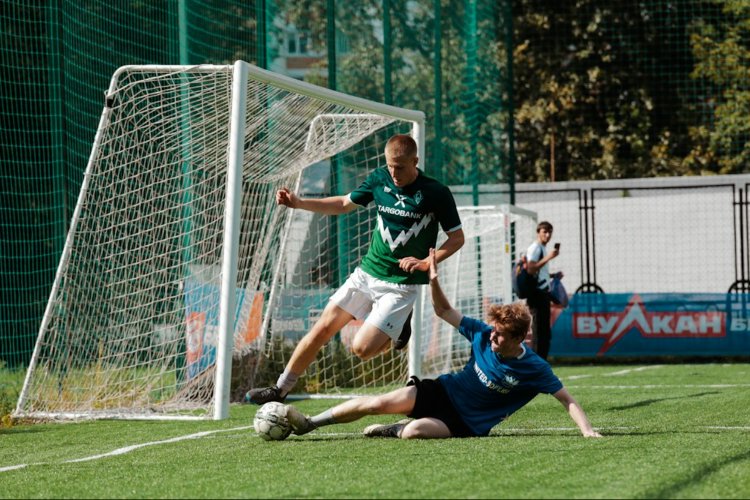
You can’t win a match in the kitchen. But you can lose the last 15 minutes there. Tired legs, poor decisions and missed frees late in a game are often a fuelling problem, not a fitness one.
We’ve worked with players from Waterford and Tipperary GAA, and the same few habits make the biggest difference at every level, from minor to senior.
The day before
- Carbs at every meal. Pasta, rice, potatoes, bread, wraps. Think a bit more than usual, not a mountain.
- Normal, familiar food. The night before a big match is not the time to try a new curry.
- Hydrate through the day. Pale yellow urine is the goal.
Match morning
Eat 3 to 4 hours before throw-in: a proper carb-based meal with some protein, low in fat and fibre.
- Porridge with banana and honey, plus eggs on toast
- Chicken, rice and a few vegetables
- Pasta with a tomato-based sauce
One to two hours before, have a small top-up if you’re hungry: a banana, a cereal bar or toast with jam.
Warm-up and half-time
- Sip water or a sports drink in the warm-up.
- At half-time, take some fast carbs and fluid: a sports drink, a gel, jelly sweets or orange segments. It’s the fuel for the last 20 minutes.
- In warm weather, or if you sweat heavily, a sports drink beats water. Read how to work out your sweat rate.
After the final whistle
Within an hour or so, aim for carbs plus protein: chocolate milk, a chicken wrap, a recovery shake, or a proper dinner if it’s close. If you’ve another game or training within 48 hours, recovery matters even more.
Caffeine
Some players benefit from a coffee or caffeine gum before throw-in. Read caffeine for performance before trying it, and never on match day for the first time.
Young players
Teenage players need a lot of energy to grow and train. Skipping meals, or trying to get lean for the season, can hurt performance and health. Read REDs: the signs every athlete, coach and parent should know.
Try this
Have a carb-based meal 3 to 4 hours before throw-in and a small top-up 1 to 2 hours before. Carbohydrate before exercise supports high-intensity performance late in a game.
Source: Thomas, Erdman & Burke, 2016, ACSM Joint Position Statement
Work with us
We offer one-to-one sessions for players, and nutrition talks and workshops for clubs, county squads and schools.
Book a sports nutrition consultation · For club and team talks, contact us through the website.
Practical take-home messages
- A carb-based meal 3 to 4 hours before throw-in, and a small top-up 1 to 2 hours before.
- Fast carbs and fluid at half-time fuel the last 20 minutes.
- Carbs plus protein after the game, especially with another session within 48 hours.
- Nothing new on match day.
References
Prefer to listen? Evan covers this on the Fuel Better Podcast: Is fasted training a good idea?.
Written by Evan Lynch, RD, MSc, CORU-registered dietitian (DI052470) and founder of Southeast Nutrition Clinic. Evan works with people across a wide range of conditions, from GLP-1 support and gut health to Olympic finalists and GAA players, in Clonmel and online.
Not sure where to start? Book a free 20-minute call, book a consultation or join the six-month programme.
This article is general information, not medical advice. If you have a medical condition or take medication, speak to your GP or dietitian before making changes.