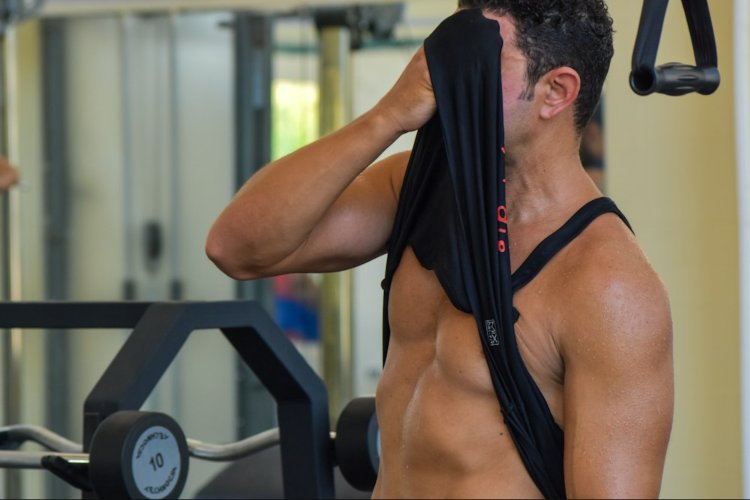
“Drink plenty of water” is the most common hydration advice in sport, and one of the least useful. Some athletes lose under half a litre of sweat an hour. Others lose over two. The only way to know your number is to test it.
Why it matters
- Drink too little and losses build up: heart rate climbs, effort feels harder and performance drops, especially in long events and warm weather.
- Drink too much and you risk feeling sloshy, needing toilet stops and, in rare cases, dangerously low blood sodium.
- Your sweat rate also decides your sodium needs. The more of your sweat you replace with fluid, the more sodium that fluid needs to keep your blood sodium stable (McCubbin, 2022).
The 60-minute sweat test
- Go to the toilet, then weigh yourself with no clothes on. Write it down.
- Train for 60 minutes at around race effort, in conditions like your race.
- Note exactly how much you drink.
- Towel off, then weigh yourself again with no clothes, before going to the toilet.
- Work it out:
Sweat rate (ml an hour) = (weight before − weight after, in kg × 1,000) + ml drunk
For example: 72.0 kg before, 71.2 kg after, 300 ml drunk. That’s 800 + 300 = 1,100 ml an hour.
Repeat it a few times in different weather. Your rate in a hot July session will be very different from a cold January one.
How much should you drink?
Most athletes don’t need to replace every drop. A practical aim is to keep body weight loss to about 2% over the session or race, and never to finish heavier than you started. Our planner uses an average of 1 litre an hour if you haven’t tested yet, but your own number is far better.
What about sodium?
If you drink a large share of your sweat losses, over about 70%, the extra fluid needs sodium close to the level in your sweat. Below that, extra sodium is mainly about taste. For most marathons and team sports, sodium tablets aren’t essential. For very long events, like ultras and Ironman, they can be.
Try this
Do one 60-minute sweat test this week: weigh before and after, and note what you drink. Personal fluid plans beat generic advice.
Source: Sawka et al., 2007, ACSM Position Stand on Exercise and Fluid Replacement
Put it to work
Enter your sweat test into our free Race Fuel Planner for your fluid, sodium and carbohydrate targets per hour. For GAA players, see what to eat before a GAA match.
Book a sports nutrition consultation
Prefer to listen? Evan covers this on the Fuel Better Podcast: Making the case for sports drinks.
Written by Evan Lynch, RD, MSc, CORU-registered dietitian (DI052470) and founder of Southeast Nutrition Clinic. Evan works with people across a wide range of conditions, from GLP-1 support and gut health to Olympic finalists and GAA players, in Clonmel and online.
Not sure where to start? Book a free 20-minute call, book a consultation or join the six-month programme.
This article is general information, not medical advice. If you have a medical condition or take medication, speak to your GP or dietitian before making changes.